Tablecloths are essential textiles that protect surfaces while elevating dining aesthetics. In upholstery-grade linens, they vary by material, weave, weight, and finish, influencing drape, durability, and ease of care. Understanding fabric composition—such as cotton, linen, or blends—helps match performance with kitchen routines and table settings for everyday meals or special occasions.
Common tablecloth fabrics offer distinct advantages: cotton provides softness and washability, linen delivers breathability and textured character, and blends balance wrinkle resistance with a smooth feel. Size, hem finish, and edge detailing contribute to a polished appearance. Proper care instructions, including washing temperatures and ironing guidelines, extend fabric life and maintain color integrity.
Functional benefits of tablecloths include protecting tabletops from heat, stains, and scratches while delineating service zones during gatherings. A well-chosen cloth can reduce noise from dishware, dampen condensation, and provide a stable surface for place settings. Consider weight and nap or sheen, which influence how the fabric interacts with lighting and tableware.
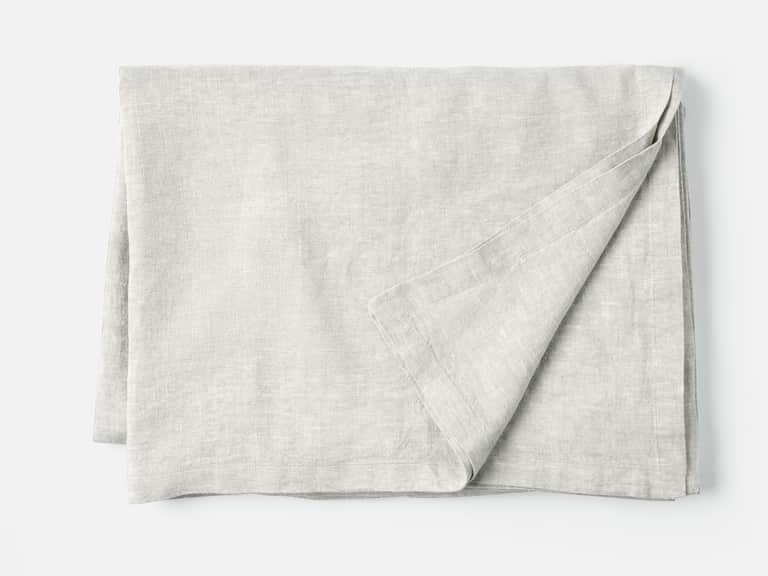
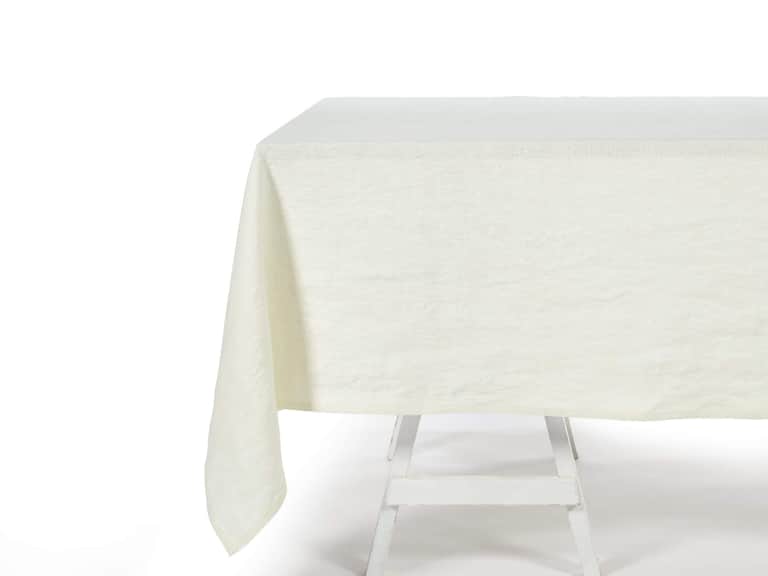
Among notable examples in this category is the Hudson Tablecloth, which combines durable weave with crisp drape and a refined surface. Features often include generous dimensions, reinforced corners, and easy-care finishes that resist wrinkling. These characteristics support both daily use and formal dining scenarios, enhancing overall table presentation.
Keywords such as bedding, sheets, pillows, down pillows, and table intersect with linens categories to reflect the broader textile ecosystem. While tablecloths remain distinct in function, understanding fabric weights, care cycles, and weave patterns helps users select linens that harmonize with napkins, placemats, and other tabletop textiles for cohesive settings.
 Table
Table