Exploring Linen in NYC Interiors: Materials, Makers, and Modern Aesthetics
A cultural and design-focused look at how linen informs NYC interiors, from hotel lobbies to residential spaces. This feature weaves together material science, local makers, and the city’s distinctive sense of texture, light, and air—and it does so with the energy and intimacy you’d expect from a People-style profile of style, craft, and living well in a borough-hopping metropolis.
Introduction: Linen as City Fabric
Linen, with its breathability, natural texture, and age-softening hand, has long been a material of choice for spaces that want to feel alive, inviting, and unpretentiously luxurious. In New York City's dense urban fabric, linen serves as a counterpoint to glass and chrome—an antidote to the glare of sterile surfaces. It offers a cooler, more porous texture that can adapt to the city’s varied microclimates—from sun-drenched hotel lobbies to the humid heat of a summer apartment on the Upper West Side.
In interiors, linen’s performance is not just about comfort; it’s about an aesthetic that reads as timeless, tactile, and human. The city’s interiors—hotels with lobbies that breathe, residential bedrooms that invite rest after long days, and design studios that test and refine textures—become laboratories for linen’s versatility. This article unfolds across material choices, notable NYC-based makers, and case studies that illuminate how linen shapes the way we experience space in the city that never sleeps.
Glossary of Linen Terms: Weave, Weight, and Weft in NYC Context
To orient readers, here are a few essential terms commonly encountered when linen appears in NYC interiors:
- Fiber origin: Linen is made from the flax plant. In premium lines, fibers are sourced from France or Belgium, then woven in European mills, with care processes that honor organic standards and sustainable finishing.
- Weave and texture: Linen’s natural slubs, plain weaves, or looser/relaxed weaves influence drape, breathability, and how the fabric ages—softening with laundering and wear.
- Finish and care: Stone-washed or garment-washed linen yields a lived-in texture and a comfortable hand, with care routines that emphasize cold or warm washing, gentle detergents, and air drying to preserve texture.
- Breathability and temperature regulation: Linen’s unique lattice of pores allows air to circulate, helping regulate body temperature in the city’s varied indoor environments.
Three Notable Makers: Voices from Different Eras
NYC’s linen story is told by designers, artisans, and curators who bridge the city’s history with contemporary craft. Here are three key figures who illuminate linen’s past, present, and future in the city.
The Linen Weaver of Manhattan: A History
From 19th-century textile districts to today’s atelier-led revival, a scholar-craftsman narrative traces how Manhattan’s weaving, dyeing, and finishing practices contributed to linen’s standing as a luxe yet practical fabric in urban homes and hospitality spaces. This figure, rooted in archival artifacts and surviving workshops, shows linen as both memory and material promise.
Textiles in NYC Hotel Lobbies: A Design Story
In recent decades, hospitality spaces have embraced linen for its warm, hotel-like aura. A contemporary designer in NYC discusses how linen contributes to a lobby’s texture palette—balancing acoustics, light absorption, and human-scale comfort—while aging gracefully in the city’s high-traffic environment.
A contemporary atelier voice
Spotlight: NYC Linen Designers and Makers
Interviews with Libeco, Coyuchi, and DownTown Company illuminate how European linen, responsibly sourced flax, and city-based production converge in urban interiors. Studio visits reveal weaving nuances, stone-washed textures, and the language of linen as a design medium that ages deliberately.
Case Studies: NYC Spaces Where Linen Speaks
These snapshots celebrate environments where linen’s texture, breathability, and quiet luxury shape the mood and function of the room.
Hotel Lobbies: Glass, Light, and Linen
In a landmark NYC hotel, linen upholstery and drapery soften the angle of daylight that pours through oversized windows. The result is a lobby that feels breathable, welcoming, and tactile—inviting guests to pause and experience the space as a texture, not just a backdrop.
Residential Bedrooms: Linen Sheets as Everyday Luxury
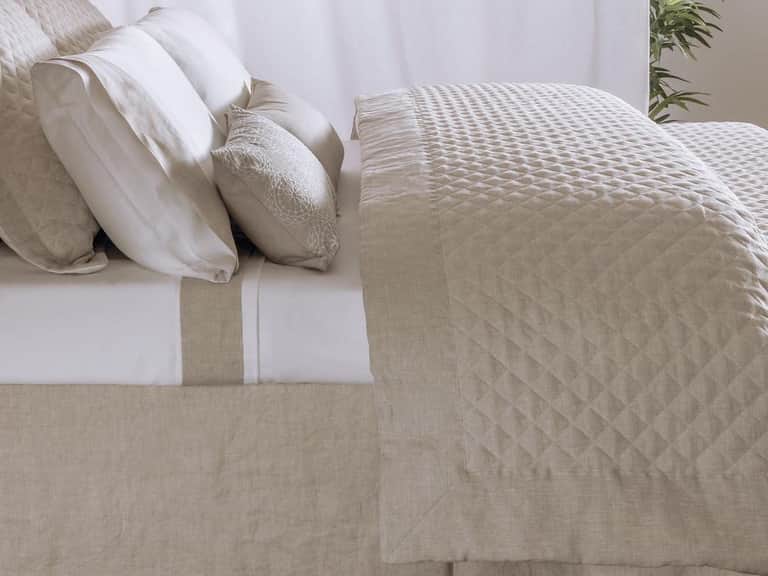
In city apartments, linen sheet sets from Coyuchi and Libeco become the anchor for color palettes that echo the exterior ironwork and brick tones of surrounding streets. The texture offers a calm, breathable surface that remains comfortable through hot NYC summers and crisp fall nights.
Design Studios: Textural Play and Material Research
Studio showcases reveal how Festival linen and Belgian linen labels inform patterning and finishes. Designers discuss how linen’s drape and aging characteristics influence the way couches, curtains, and cushions are layered with other fibers for a balanced interior.
Museums and Exhibits: Linen in NYC Textile History
Exhibits at local textile archives highlight linen’s role in domestic life and city manufacturing, offering readers a window into how linen made its way into everyday rituals—from napkins at elegant tables to ceremonial linen used in historic venues.
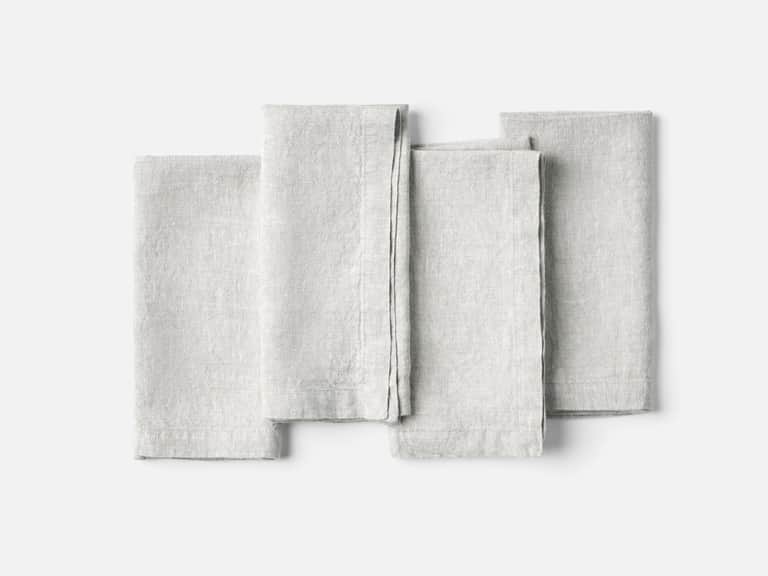
Product Spotlight: Mojave Organic Linen Napkins by Coyuchi
In a city that loves a well-laid table, a set of napkins can be a quiet act of luxury. Coyuchi’s Mojave Organic Linen Napkins, Set of 4, embody the brand’s commitment to GOTS-certified organic linen grown and woven in India, crafted in a Fair Trade factory with a 1-inch turned hem and mitered corners for durability and an elegant touch to daily dining or special occasions.
The napkins’ robust construction, mixed with the natural slub texture of linen, brings warmth to the table—a texture that complements NYC’s culinary and cultural diversity. They are machine washable on a cold gentle cycle, with low tumble drying, allowing busy city life to maintain table aesthetics without heavy upkeep.
Product: Mojave Organic Linen Napkins, Set of 4
Avenues for NYC Interiors: The Material and the Making
In a city famous for texture—from brick façades to subway fabrics—linen becomes a quiet narrator of place. Its temperature regulation supports life in crowded apartments, while its natural drape speaks to a human-centered design approach that can be both minimal and richly layered. The material’s capacity to age gracefully—softening with each wash and wear—makes linen a sustainable choice for a city that moves quickly but often seeks the comfort of what lasts.
Local makers—spanning European mills with centuries of expertise and contemporary NYC studios that champion responsible production—offer a spectrum of linen options that marry tradition with modern living. The interplay between heritage and urban craft fosters a design language that feels both refined and welcoming.
Content Roadmap: From Glossaries to Studio Spotlights
To continue weaving this linen narrative for linens.nyc, here’s a proposed content path that balances editorial depth with practical, design-forward insight:
- The Linen Timeline of NYC: A Visual Essay
- Studio Spotlight: Libeco’s Manhattan Workshop Tour
- Care and Craft: Preserving Linen in Urban Homes
- Material Spotlight: Linen—From Flax to Fabric
- Museum Corners: Linen Exhibits in NYC—A Calendar
- Case Study: Textures of NYC Hotels and Linen Aesthetics
- Designer Interviews: NYC Interiors and Linen Stories
- Readers’ Guide: Libraries, Archives, and Textiles in NYC
SEO and Brand Alignment: Keywords to Anchor Your Content
Targeted keywords for linens.nyc should include: linen NYC, textile NYC, NYC interior design linen, Libeco linen, Coyuchi linen, BOVI linen, textile history NYC. Visual content paired with thoughtful editorial copy will help index and engage readers who care about the intersection of craft, design, and city life. The product spotlight above demonstrates how a single item can anchor a broader narrative, tying a global brand to a local context.
Additionally, the site’s tone—curious, thoughtful, and accessible—balances editorial voice with the city’s pragmatic rhythm. This ensures readers feel informed without being overwhelmed, and it invites design professionals to see linen not just as fabric, but as a design medium that shapes the way we experience space in NYC.
Closing Note: The NYC Linen Identity
In a city defined by its pace and its rituals, linen offers a way to slow down without losing the city’s energy. It’s the texture of a hotel lobby that invites one to linger, the breathability of a bed in a tall-city apartment, and the craft of modern makers who honor tradition while shaping contemporary living. Linen.nyc can become a cultural and design resource that celebrates this texture—connecting visitors, residents, designers, and institutions to a material that feels quintessentially New York: grounded, refined, and alive.
Note: Images shown are for illustrative purposes and reflect product styling in the listed catalog. Availability may vary by region.